
Sea bream surf fishing (Part 1)
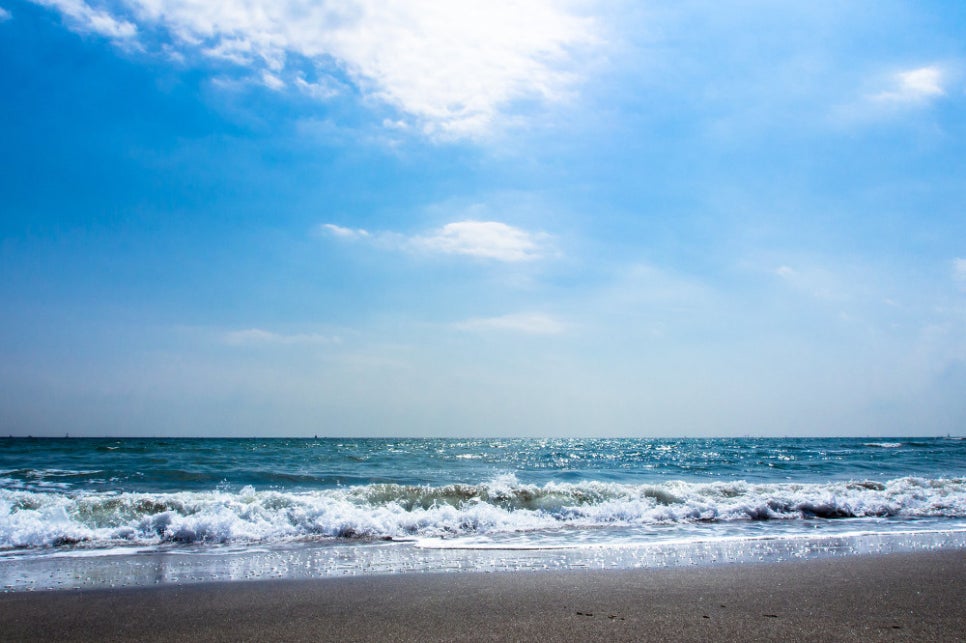
Black sea bream is a popular fish, caught along the South Sea, West Sea, and East Sea coasts. While most are caught using floats from reefs on the South and West Seas, the East Sea is arguably the best place to target black sea bream using longline fishing.
However, the water on the east coast is so clear that you can see the bottom during the day, and it is especially clear in winter when the plankton population decreases, so the night is better for fishing than during the day.
As you all know, the black sea bream is a hermaphrodite and changes sex when it becomes an adult. Due to the effects of global warming, the black sea bream with yellow fins, called yellow black sea bream or saenunchi, which mainly inhabits the East China Sea, is also rarely caught, but the black sea bream caught in Korea is almost always black. While black sea bream spawns in the spring, saenunchi spawns in the fall.


Among the fishing methods for catching red sea bream, long-distance fishing, unlike other types of fishing, tends to choose places with relatively wide bases due to the space for setting up the rod and the conditions for casting, and as a result, the East Sea, where long-distance fishing can be done from white sand beaches, seems to be a popular fishing spot for red sea bream long-distance fishing.
Among the four popular species of sea bream (black sea bream, rock bream, red sea bream, and black sea bream), black sea bream is particularly affected by the tide and the tidal currents, so it is difficult to say for sure which conditions are best. However, for long-distance fishing, it is said that the best time to catch it is before and after the sari when the current flows well and the water color is cloudy, and the tide is better than the ebb tide.
I plan to write a series of articles on emotional sea bream surf fishing over the next few installments, so I will cover the details of currents and bait later. Today, I will just look at the equipment.
There are commercially available rods designed for catching black sea bream, most of which are around 5 meters long, the same length or shorter than float rods. However, shorter rods are sufficient, but the 4-meter length typically used for long-distance fishing is generally not chosen for the following reasons.
◉ Reduces damage to the main line from obstacles such as reefs located in front and reduces movement caused by waves or ripples.
◉ The line can be used longer than for regular surf fishing.
◉ When catching fish, it is easy to avoid obstacles and land, and reduces the chance of losing the fish due to damage to the main line.
◉ The distance increases.

However, I don’t think it’s necessary to buy a dedicated rod because you can catch red sea bream with a rod of about 4 meters.

To catch the extremely wary black sea bream, a sinker with a hole is effective. To prevent damage to the leader line caused by the black sea bream’s teeth and especially to prevent the leader line from breaking if it swallows the hook, it is helpful to attach a cami to the end of the hook to achieve the catch effect.

The main line used is better than PE (polyethylene) as it has a stretchy nature that allows the red sea bream to feel less of a sense of foreignness. It is also effective to use a leader line that is slightly longer than that used in general long-distance fishing, about 1.5 to 2 meters.
And the size of the needle used would be around size 4, but since most ready-made rigs have a leader length of 1 meter, it would be better to tie the needle yourself to make it more effective. (Some commercially available red sea bream rigs have a leader length of 3 meters.)
However, if you’re fishing in a place with a lot of snags, or if you’re not yet used to long-distance fishing and your line frequently gets tangled or you have trouble sensing the bite of the fish, it’s best to use a slightly shorter line. However, if possible, a longer line will help with catching fish.


Leave a Reply
Want to join the discussion?Feel free to contribute!