
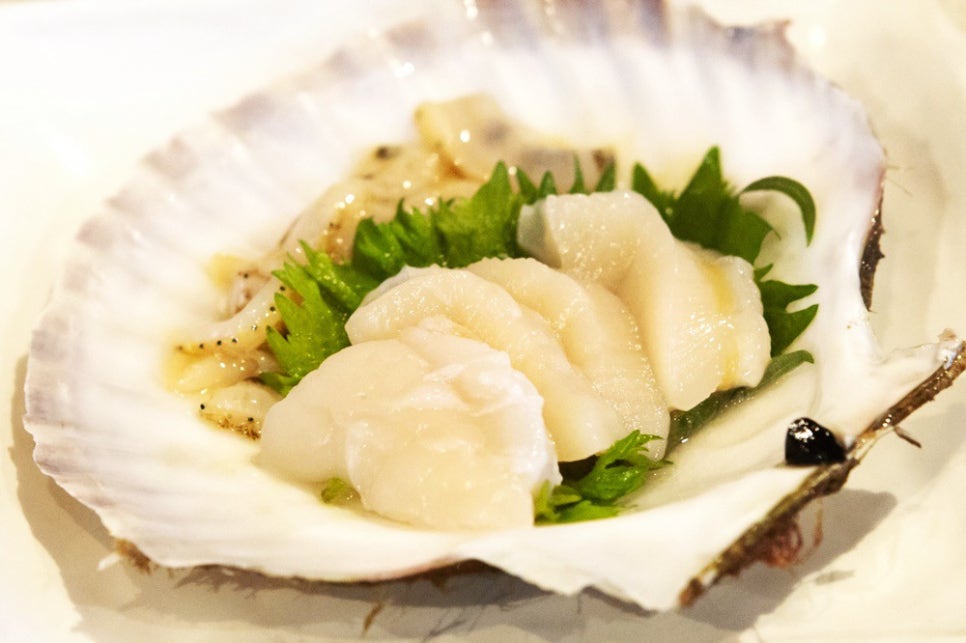
How to prepare scallops and what to watch out for when eating them raw
Now that scallops are in season, if it were any other year, the clam grill restaurants would be bustling, but this year, due to the coronavirus, I often see the lights of the Daebudo clam grill restaurants that I pass by on my way to fish turned off.
However, since live scallops can be easily purchased online, many people seem to be steaming or grilling them at home.
And in rare cases, you can see on the internet that people prepare scallops they have purchased and eat them raw. Let’s find out what you need to be careful of when eating scallops raw.
When eating scallops raw, you must remove the midgut gland. (It is also best not to eat them when cooked.)
When you open a scallop, there is a black area below the hinge, which is the midgut gland, which plays the role of the liver and stomach.
Shellfish, including scallops, consume phytoplankton, but they also consume toxic plankton such as dinoflagellates . These toxins accumulate in the midgut gland and can cause food poisoning when eaten by humans, so they must be removed.
In particular, unlike other shellfish, scallops often retain the poison for a long period of time because the metabolic rate at which the toxins accumulated in the midgut gland are excreted from the body is very slow.
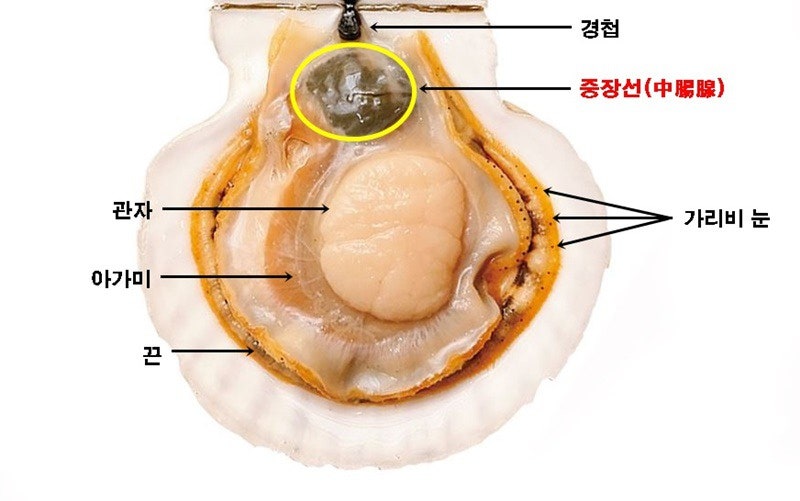
The next inedible part is the gills of the scallop, which must also be removed.
Meanwhile, when eating scallop sashimi at a sushi restaurant, in rare cases, you may see a red part like the one in the photo below. This is scallop roe.
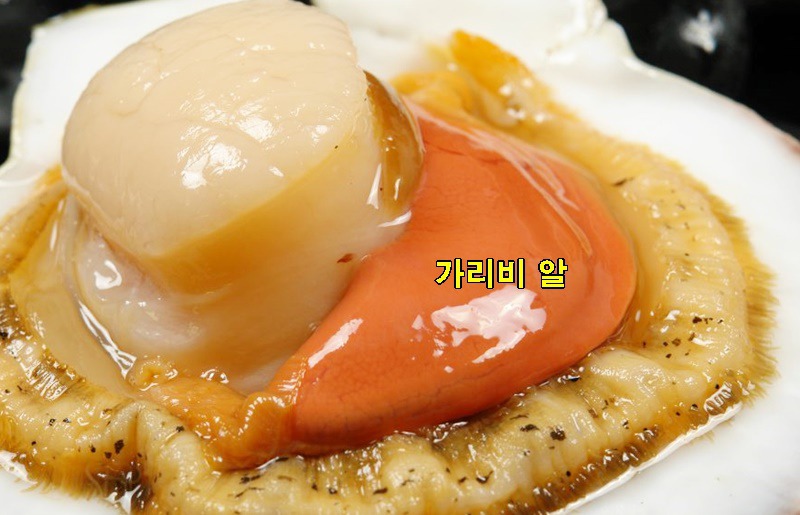

On the other hand, the gonads of male scallops are white and should be eaten cooked unless they are very fresh.
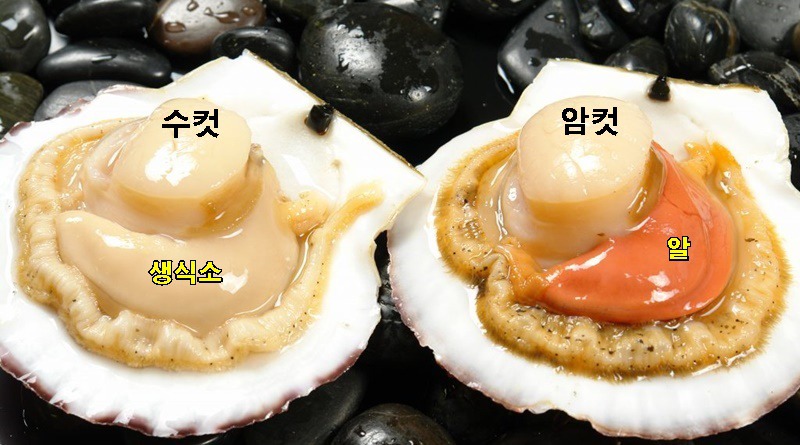
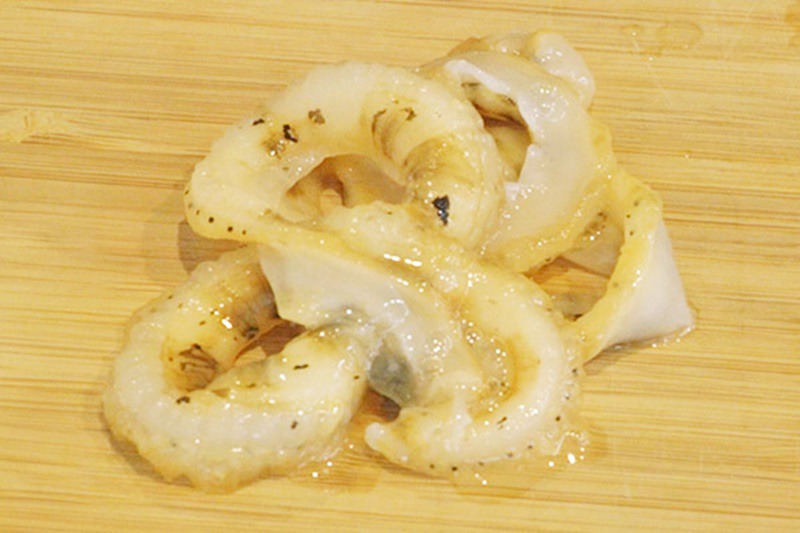
The following is the string with the scallop’s eyes, which has been reported in the media. It is an edible part, but it is better to remove the mucus with the back of a knife to improve the texture. The black dots are the scallop’s eyes and can be eaten.

Finally, as I briefly mentioned in my post “How Many Japanese Scallops Are We Eating?”, 99% of Japan’s farmed scallop production is in Hokkaido, and some of the scallops caught there are found to contain parasites.
This parasite is also introduced in the National Institute of Animal Quarantine’s library as “Pectonophilus in scallops – a disease that can be found in farmed scallops in the northern Tohoku region and southern Hokkaido. Caution is advised as the area where this disease occurs has been expanding recently. “
The scientific name for scallop pectenophilosis is Pectenophilus ornatus. Pectenophilus means ‘loving scallops’, and ornatus means ‘bright color’, meaning that the parasite loves scallops with their bright colors.
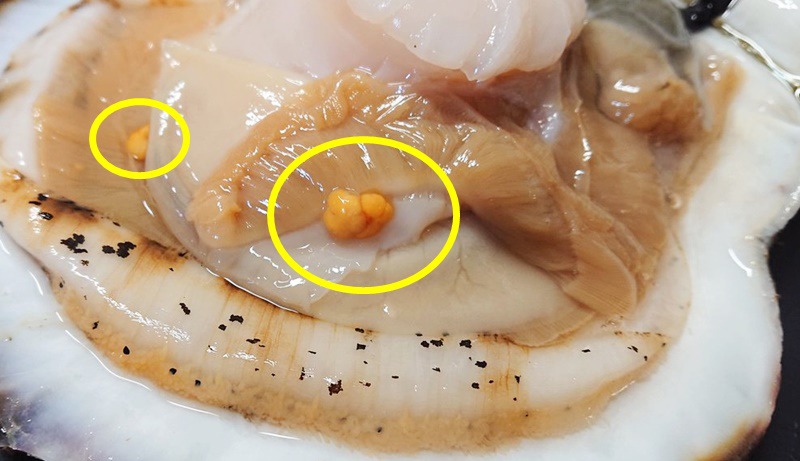

What is unique is that the male lives inside the female’s body, and it is not a problem because it can grow up to 8mm in size and cannot live inside the human body.
There have been no reports of this parasite being found in Korea so far, so if you find it in a scallop, it is likely that the scallop came from Japan.
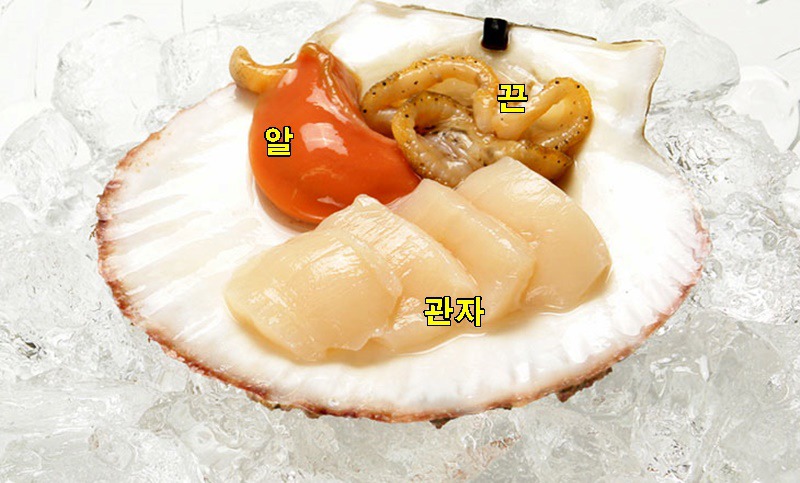
To summarize, when preparing scallops yourself and eating them raw, you should not eat any parts other than the scallop shell, strings, and roe (or gonads).


Leave a Reply
Want to join the discussion?Feel free to contribute!